
Paired-anchor rule
Any macroscopic transport requires both departure and destination anchors.
Research & innovation
We build auditable paths between fundamental questions, engineering safety, open evidence, and social responsibility.
Before public release, results state their maturity, evidence base, ethical risks, and application limits. Laboratory prototypes are never presented as finished products.
Research strategy
Flagship programs
From language technology, cyber resilience, and quantum sensing to planetary habitability and civic continuity.
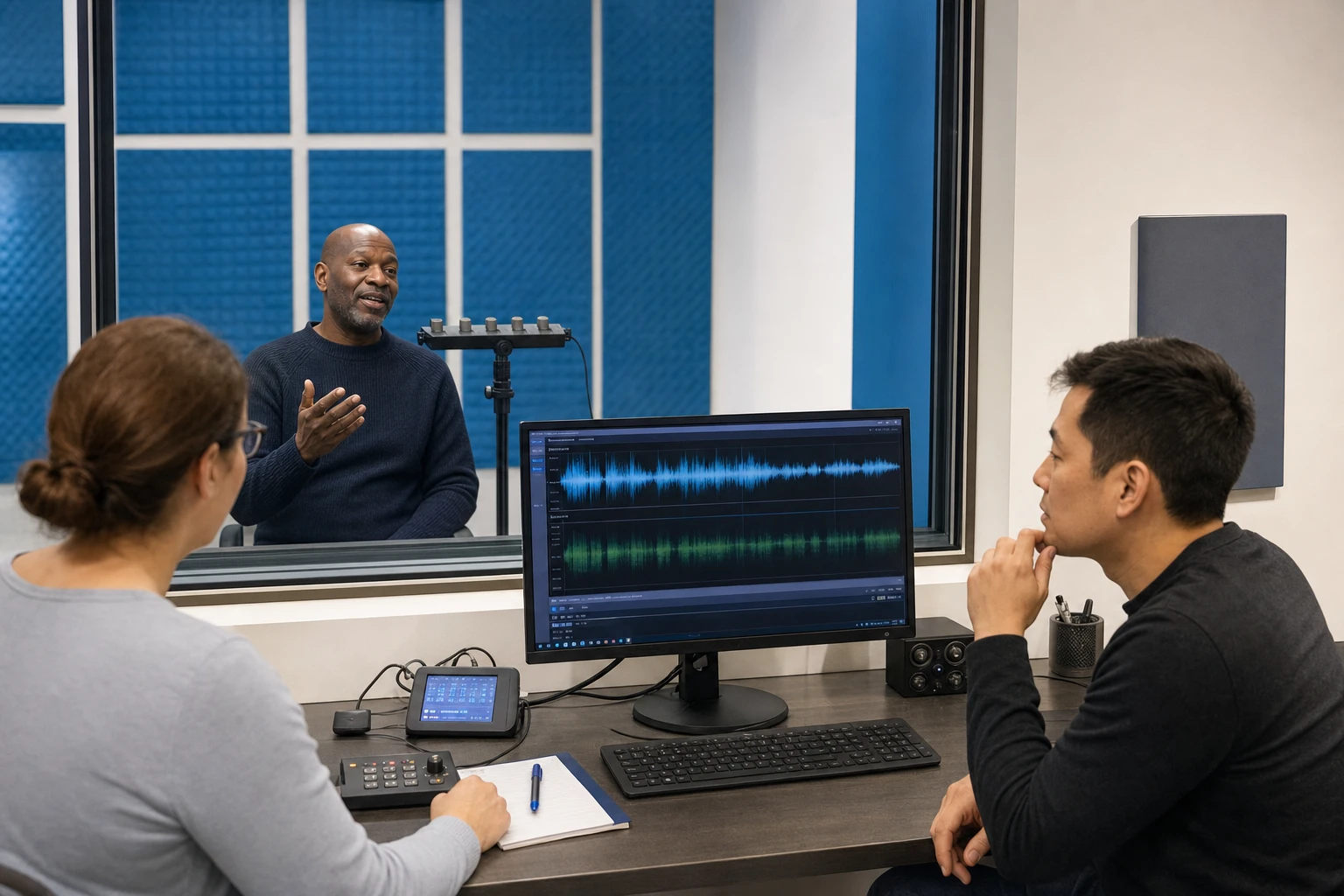
Multilingual speech recognition, accessible interaction, low-resource languages, and privacy-preserving speech processing.
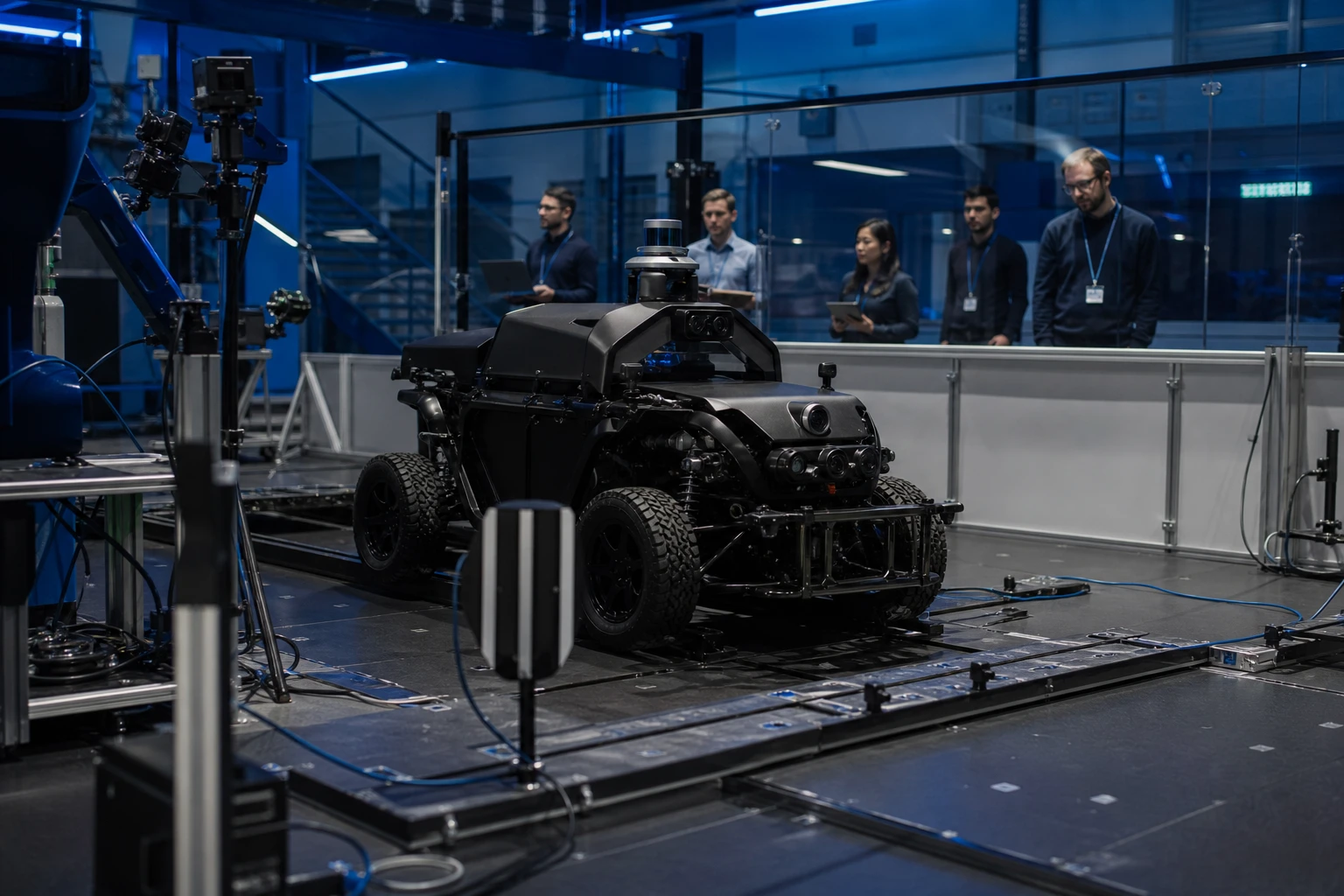
Simulation platforms for autonomous vehicles, robotics, and intelligent control, emphasizing safety, explainability, and edge cases.

Studies design thinking, team creativity, innovation training, and learning assessment, producing tools for education and organizations.
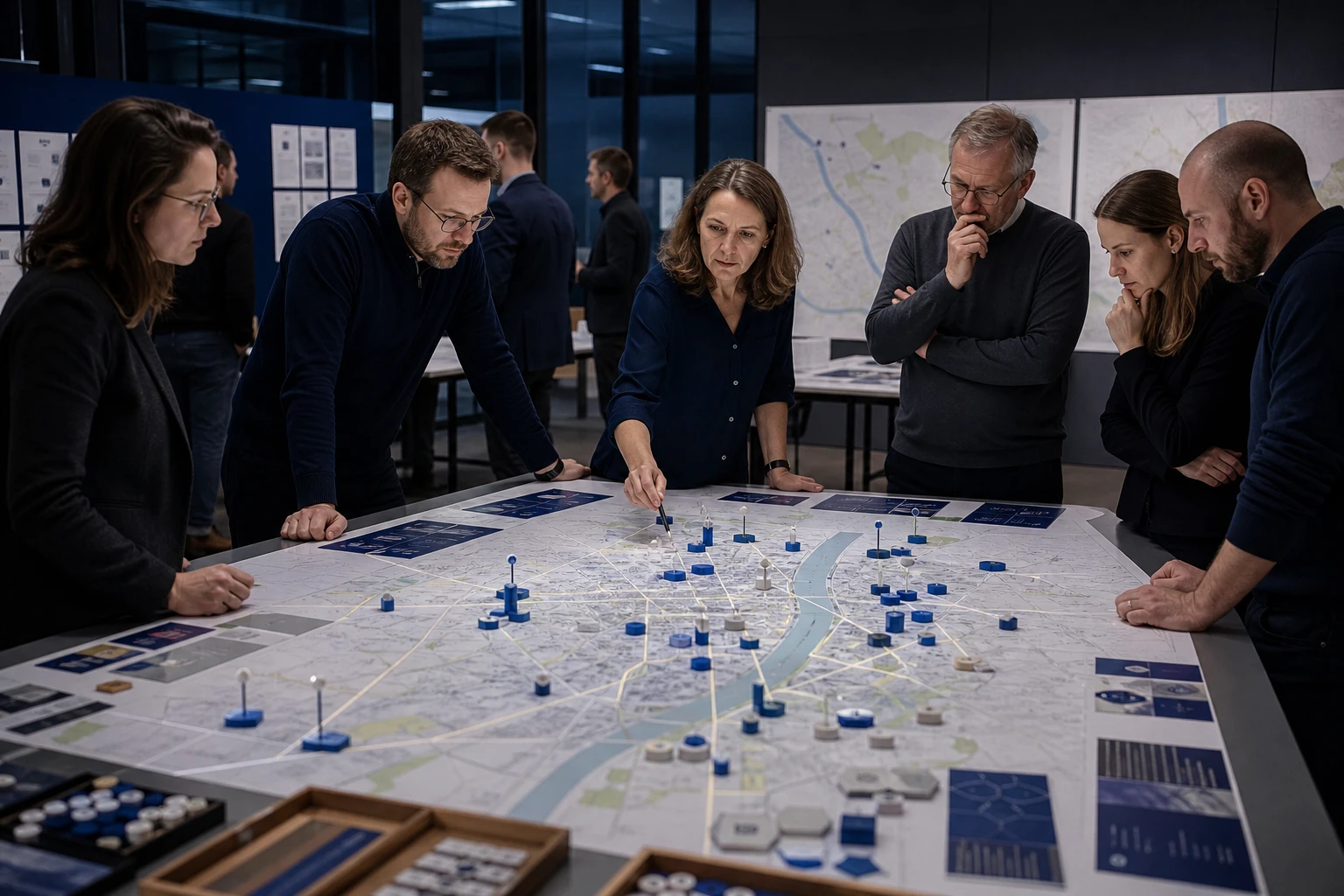
Combines data analysis, expert judgment, and scenario planning to examine long-term technological, economic, social, and cultural change.
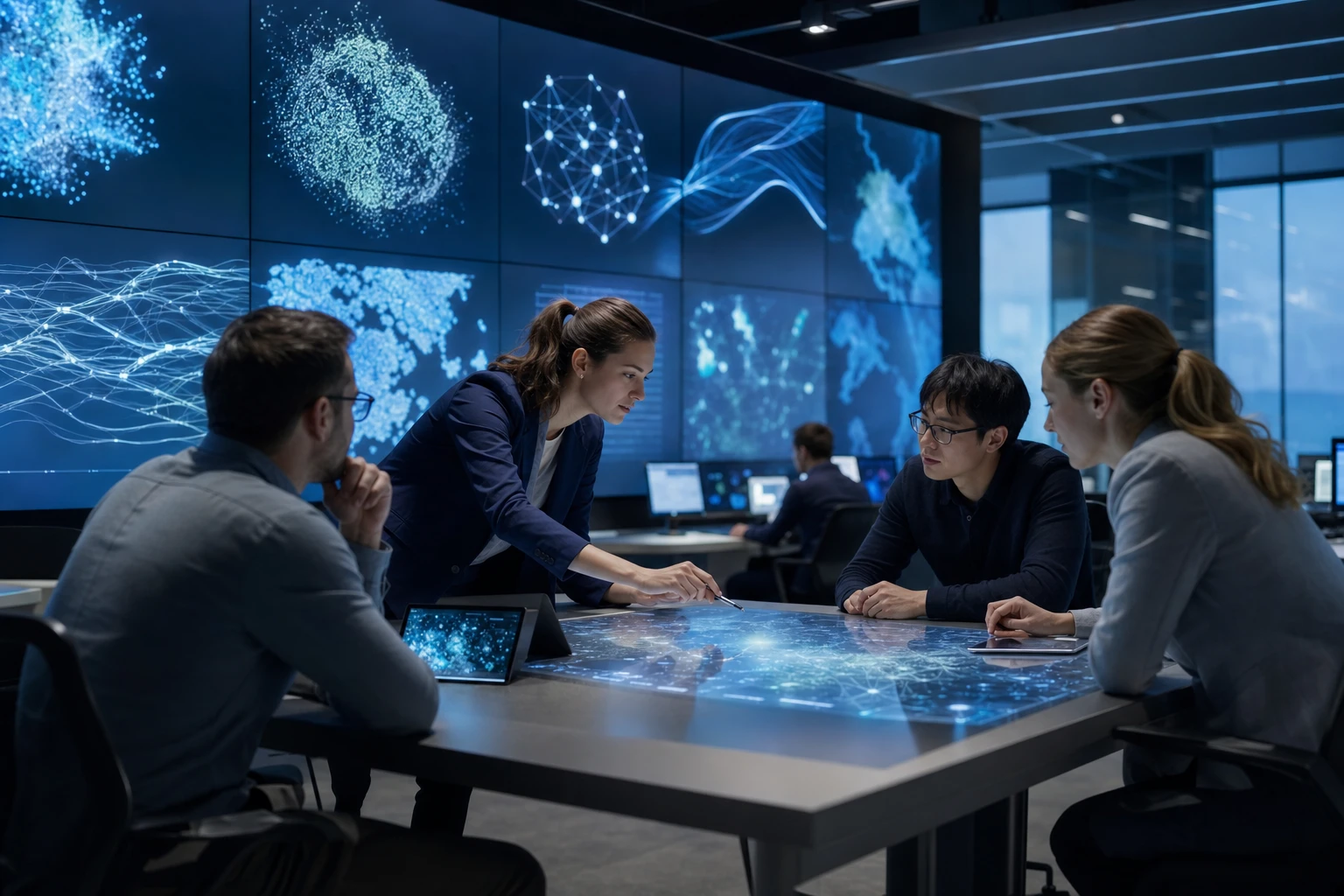
Data engineering, machine learning, visual analytics, and decision support for science, education, and public governance.
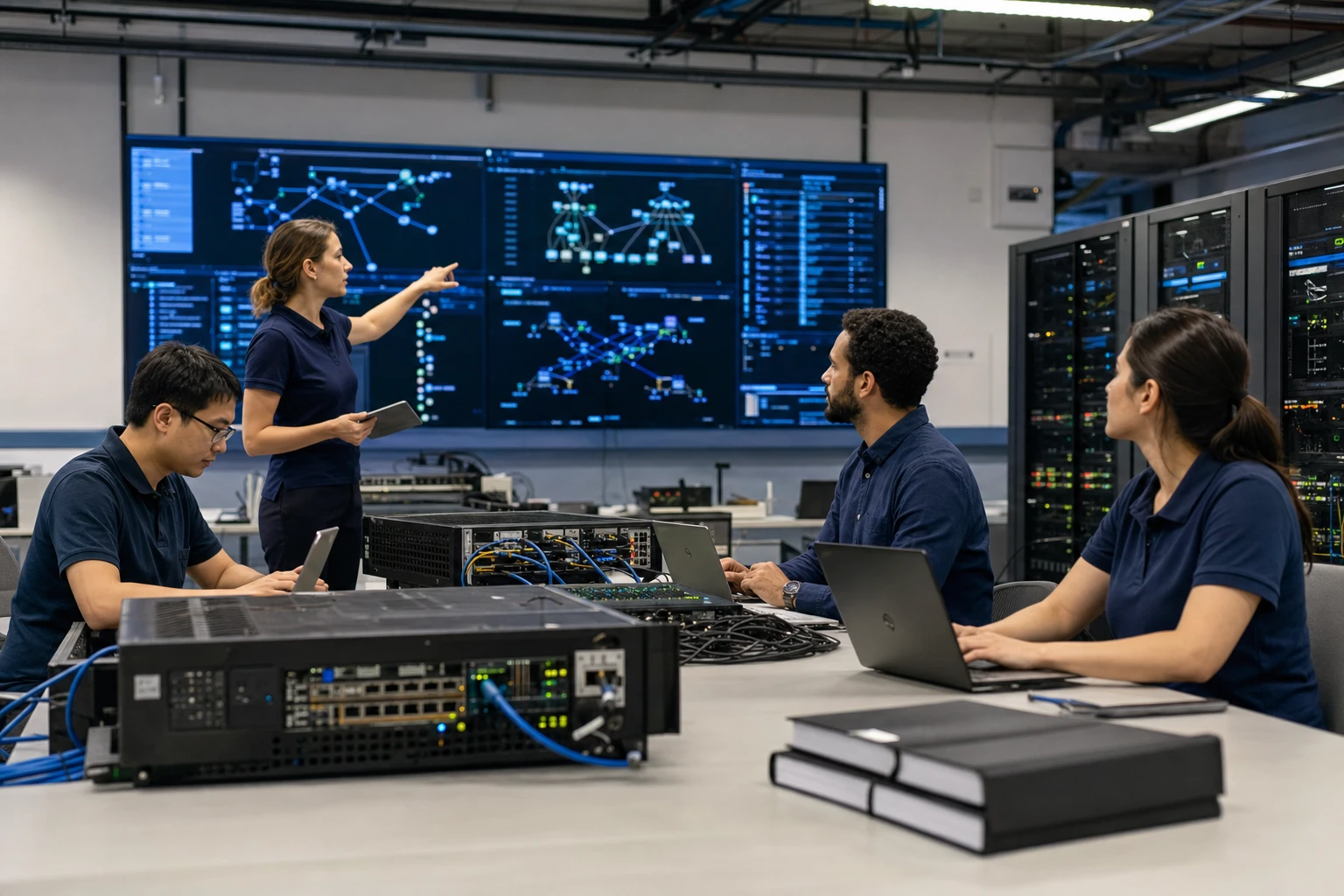
Identity security, software supply chains, incident response, privacy engineering, and critical-infrastructure protection.
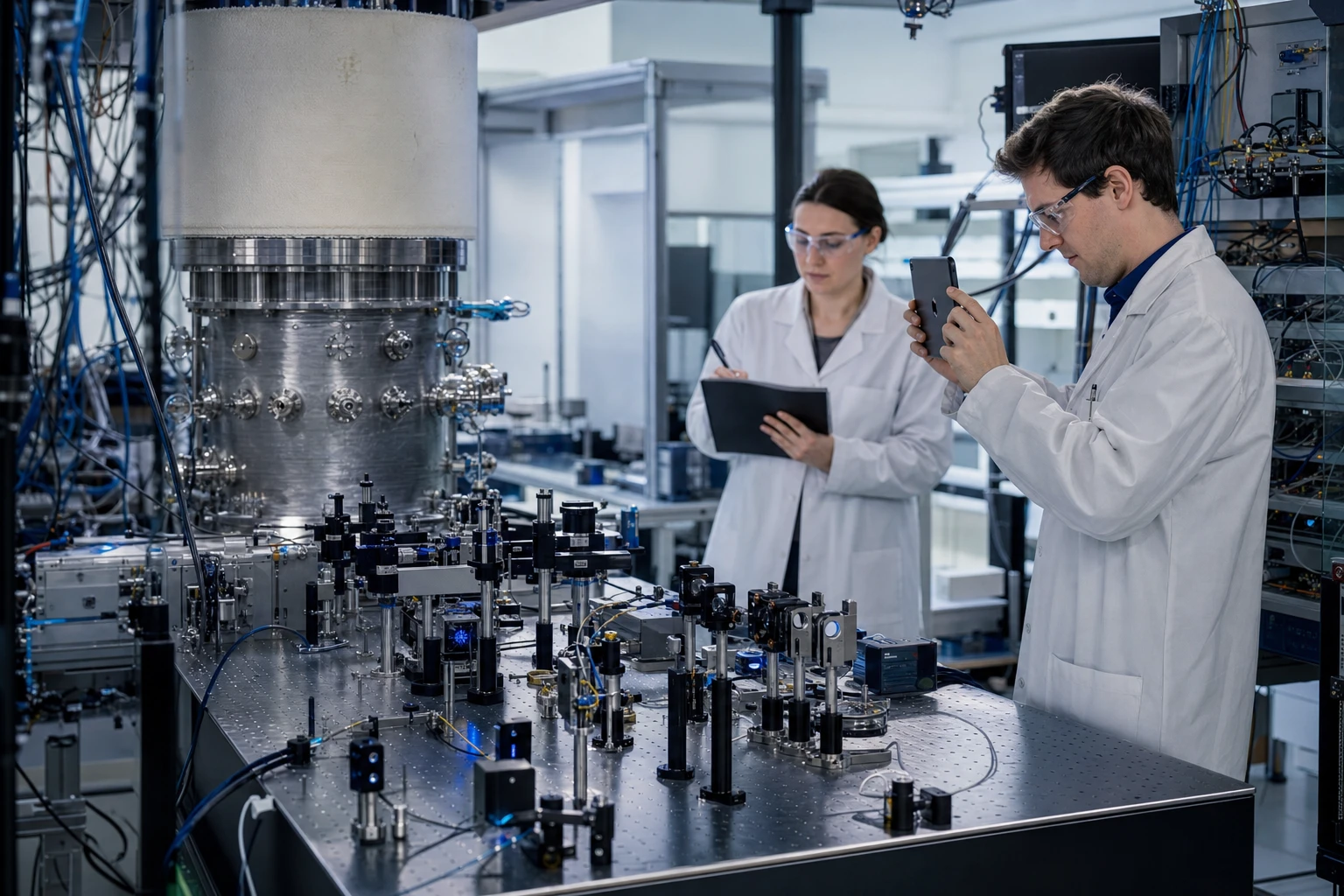
Theoretical and experimental work in quantum information, quantum algorithms, quantum optics, and precision measurement.
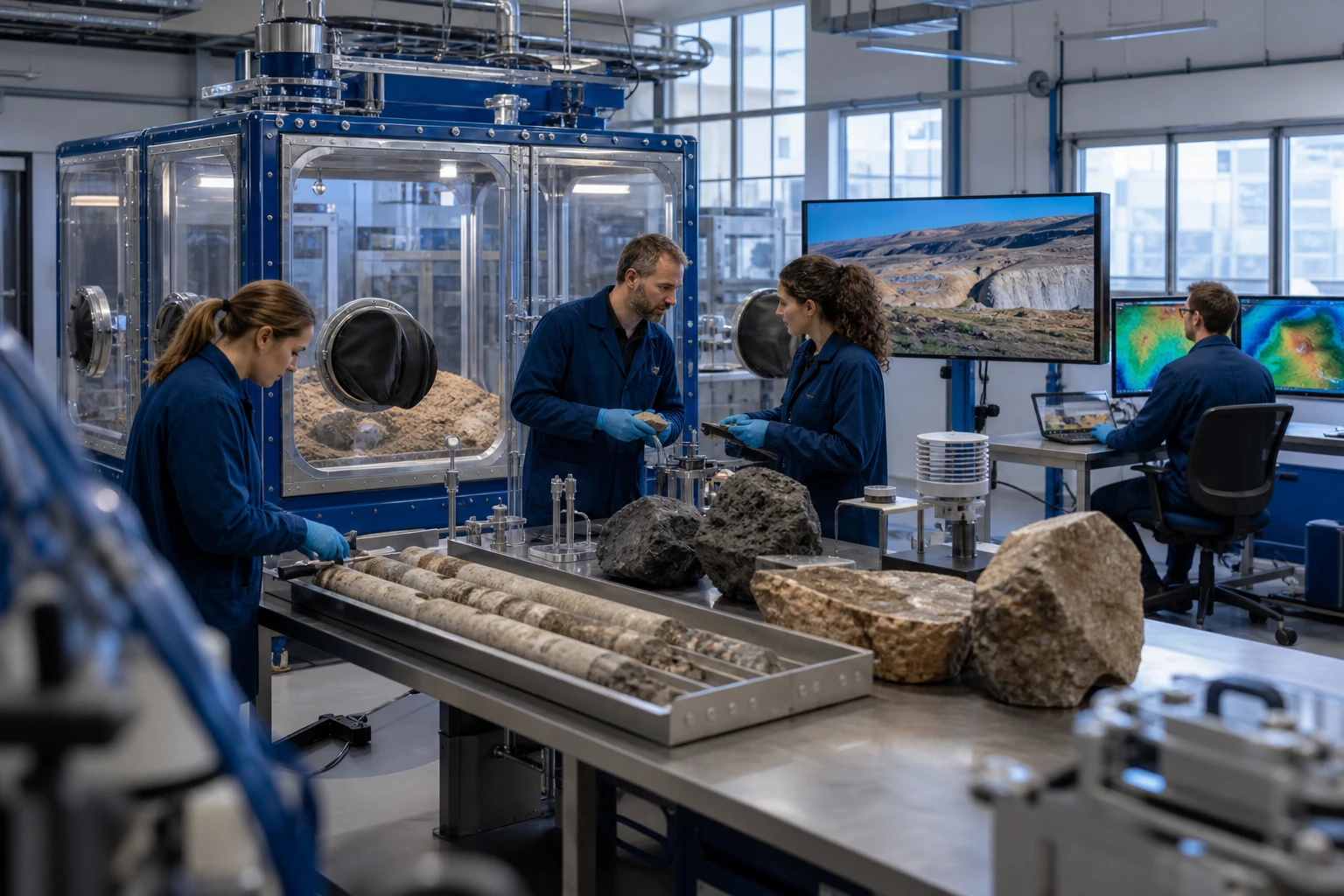
Planetary formation, climate, atmospheres, geology, and habitability using remote sensing and open mission datasets.
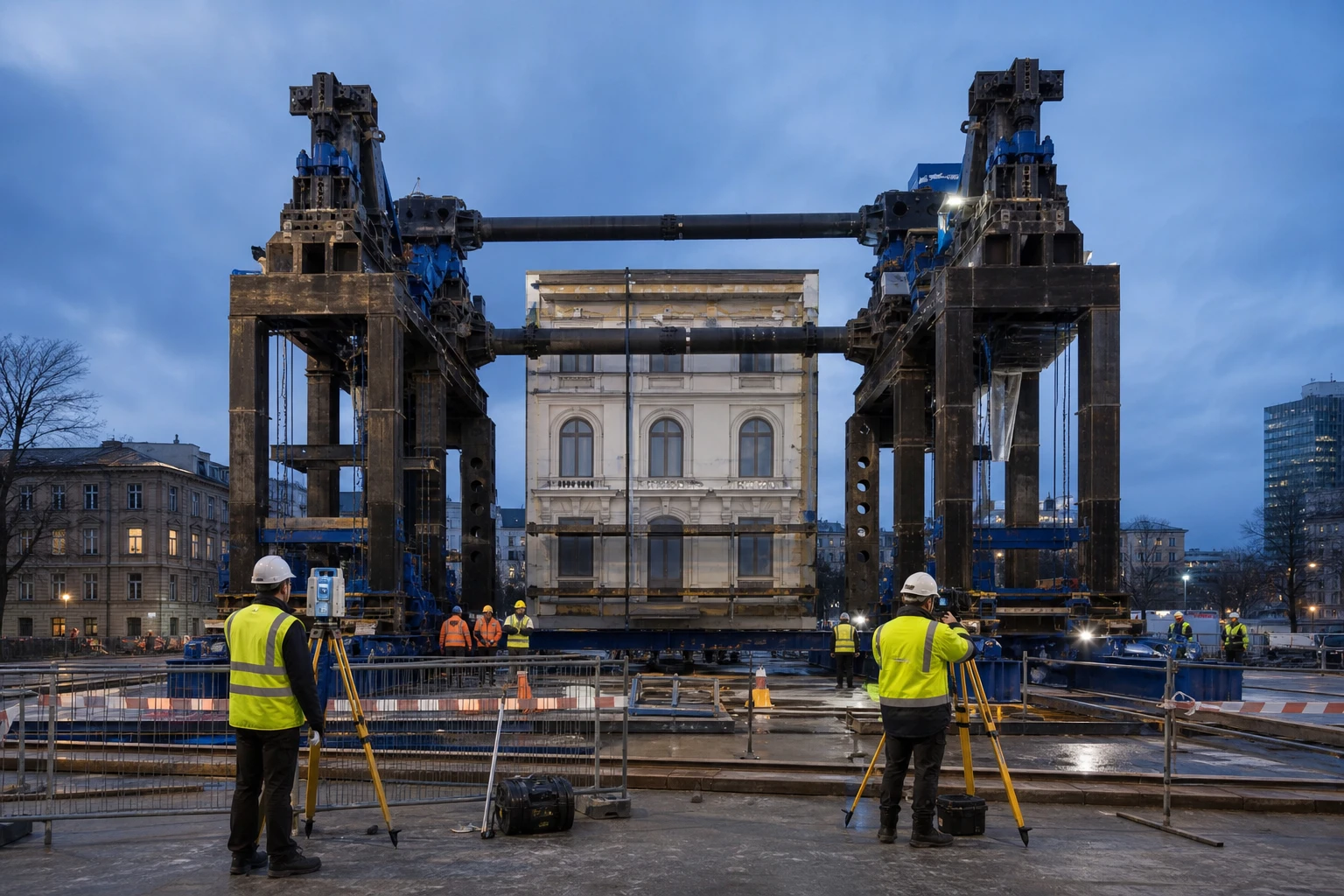
Research on the Chronosphere, temporal-stasis systems, the Kronos Accelerator, and the Atlas-III Crane, focusing on anchor precision, field stability, structural integrity, human safety, causal consistency, and public authorization.
Special facilities
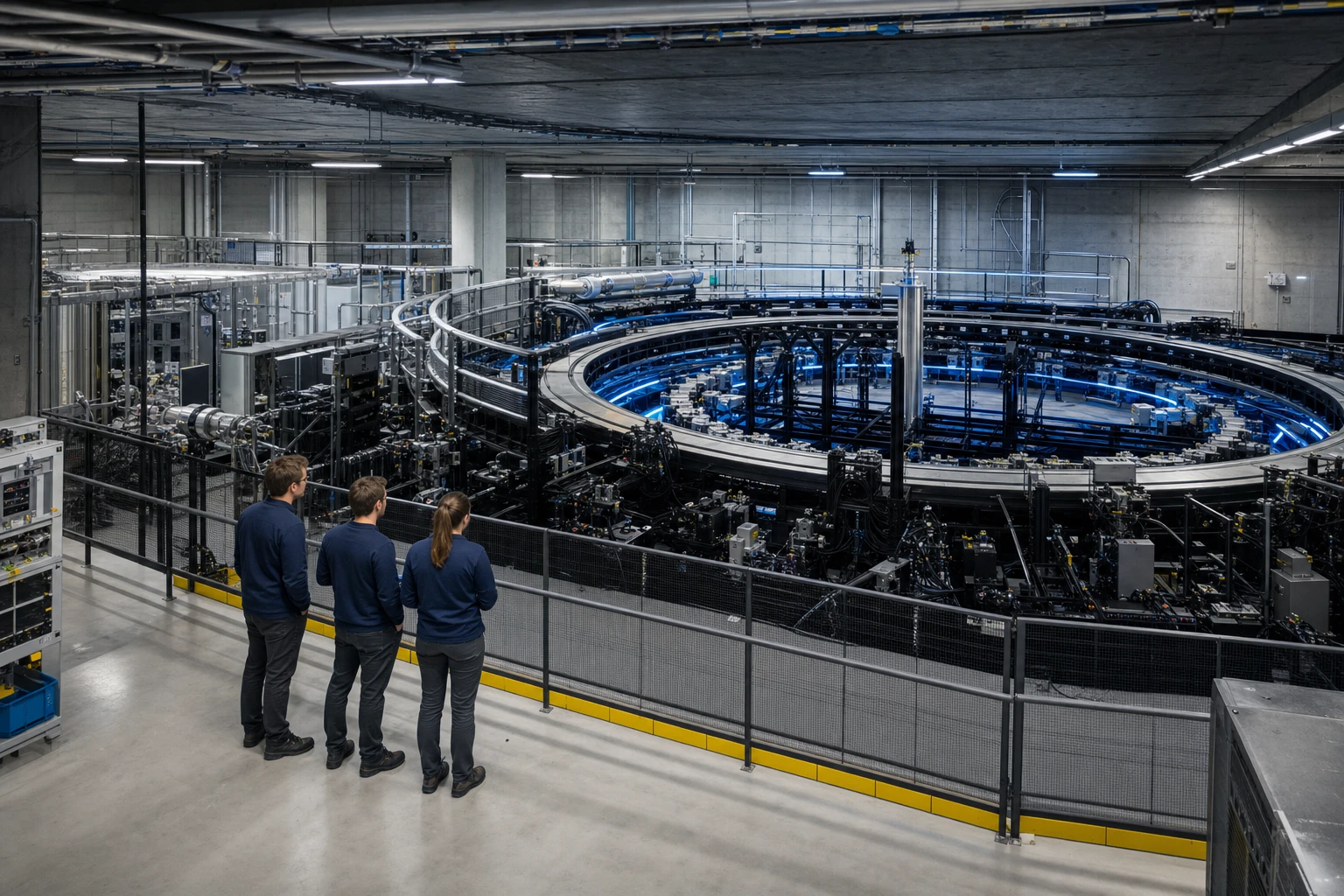
Independent power, field shielding, and remote shutdown at the Deep-Field Annex keep high-energy work behind multiple layers of protection and external oversight.
Published safety principles
These principles govern work involving the Chronosphere, temporal stasis, the Kronos Accelerator, and the Atlas-III Crane.
Any macroscopic transport requires both departure and destination anchors.
Temporal displacement, spatial shear, and energy return must be budgeted before an experiment.
Work involving living subjects receives higher review; technical results never replace ethical consent.
Relocation of buildings, roads, or public infrastructure requires Civic Continuity Committee approval.
High-risk work requires a rollback plan, isolation zone, and independent shutdown.
UFM facilities may not support military deployment without joint international and municipal authorization.
EVIDENCE / RESPONSIBILITY
Mainstream programs encourage cross-department collaboration, open data, and international replication. Parameters, coordinates, and live logs from restricted facilities are managed by responsibility and clearance.