Introduction and History
From relativity and curved spacetime to Siegfried, the Chronosphere, the Time Freeze System, and Schmidt’s engineering breakthroughs.
Academics & teaching
From undergraduate foundations to doctoral research, UFM places theory, engineering practice, ethical judgment, and public value in one educational framework.
Shared academic standards
Each department contributes to undergraduate education, graduate training, research, and external collaboration.
Interdisciplinary modules may be jointly delivered by two or more departments.
Technical programs include ethics, safety, sustainability, or social-impact components.
Advanced students complete a real-world project, research assignment, or professional placement.
Teaching and research are subject to academic-integrity and research-ethics review.
Chronospatial foundations are open across UFM; device engineering and field experiments require continuity clearance.
Program finder
Search all eleven core departments by name or course. Expand any program for its complete core curriculum.
BSc · MSc · PhD
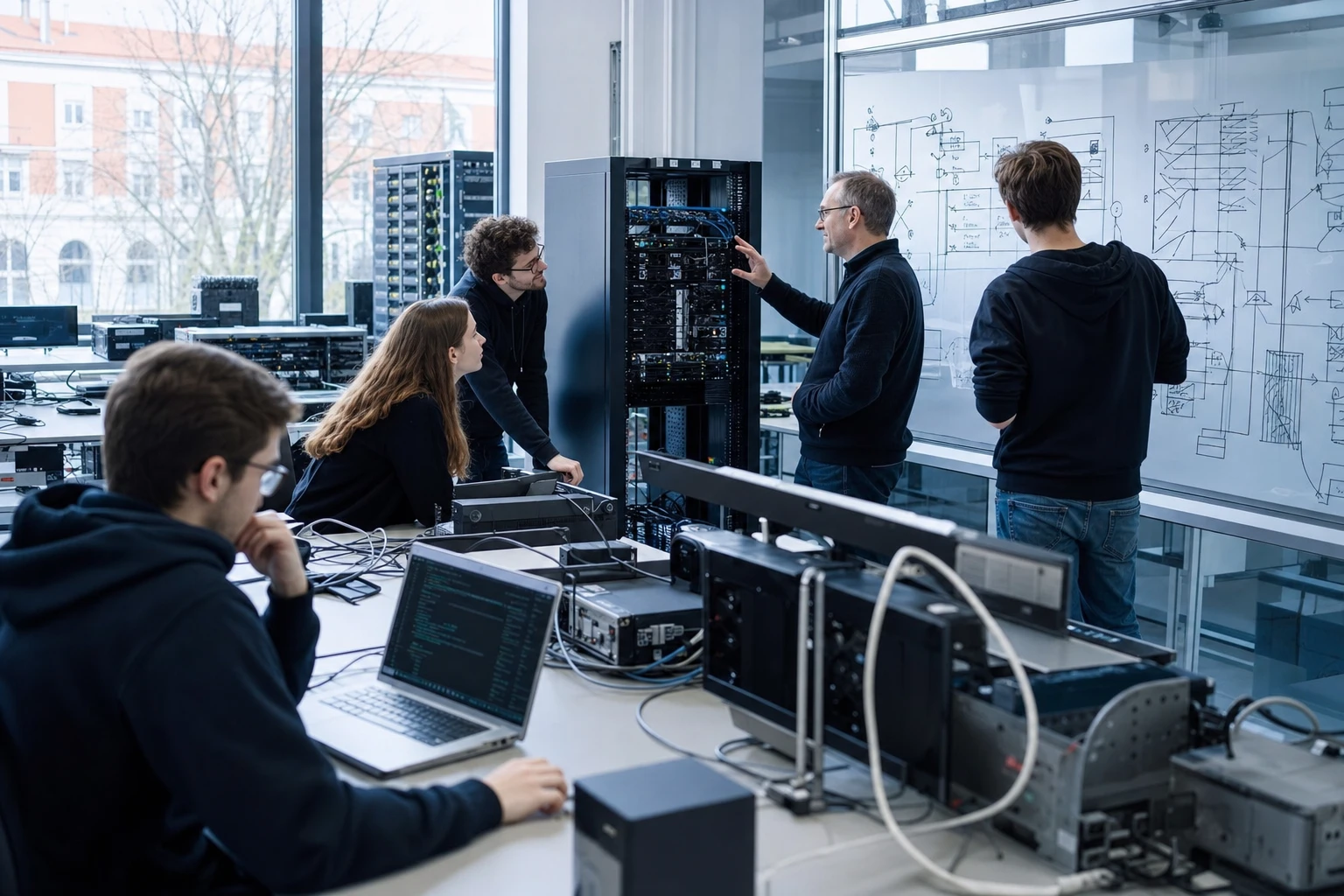
Computer systems, algorithms, programming languages, databases, networks, and theory.
BEng · MSc · PhD
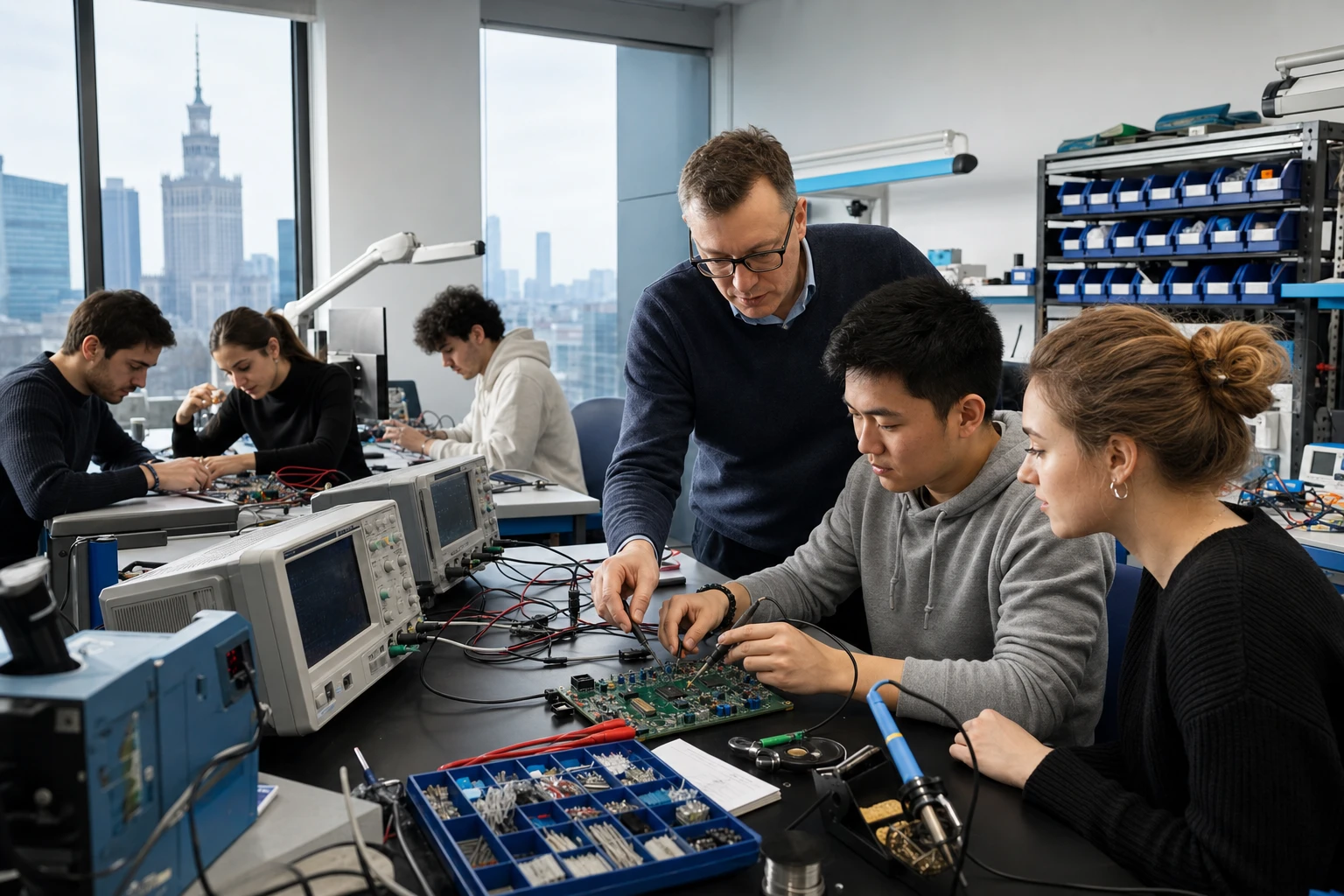
Circuits, signal processing, embedded systems, intelligent control, and IoT.
BSc · MSc · PhD
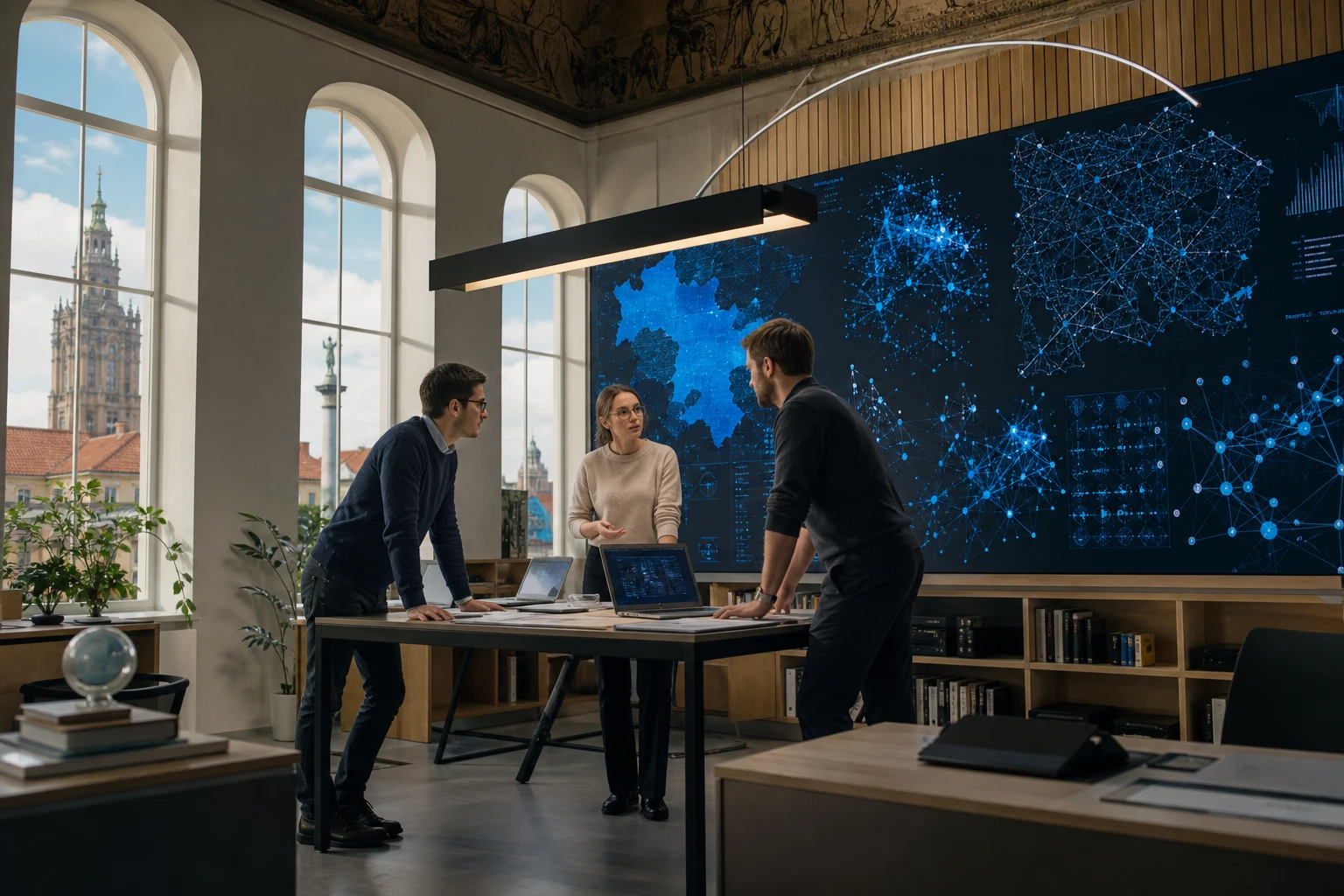
Statistical modeling, data engineering, machine learning, visualization, and decision support.
BSc · MSc · PhD
Computer vision, NLP, robotics, agents, and trustworthy AI.
BSc · MSc · PhD
Cybersecurity, cryptography, digital forensics, governance, and privacy.
BEng · MSc
Architecture, testing, DevOps, cloud-native development, requirements, and project management.
BA · MSc
Design thinking, innovation management, entrepreneurship, product, and organizational innovation.

BA · MSc · PhD
Scenario planning, technological foresight, trend analysis, policy design, and risk.
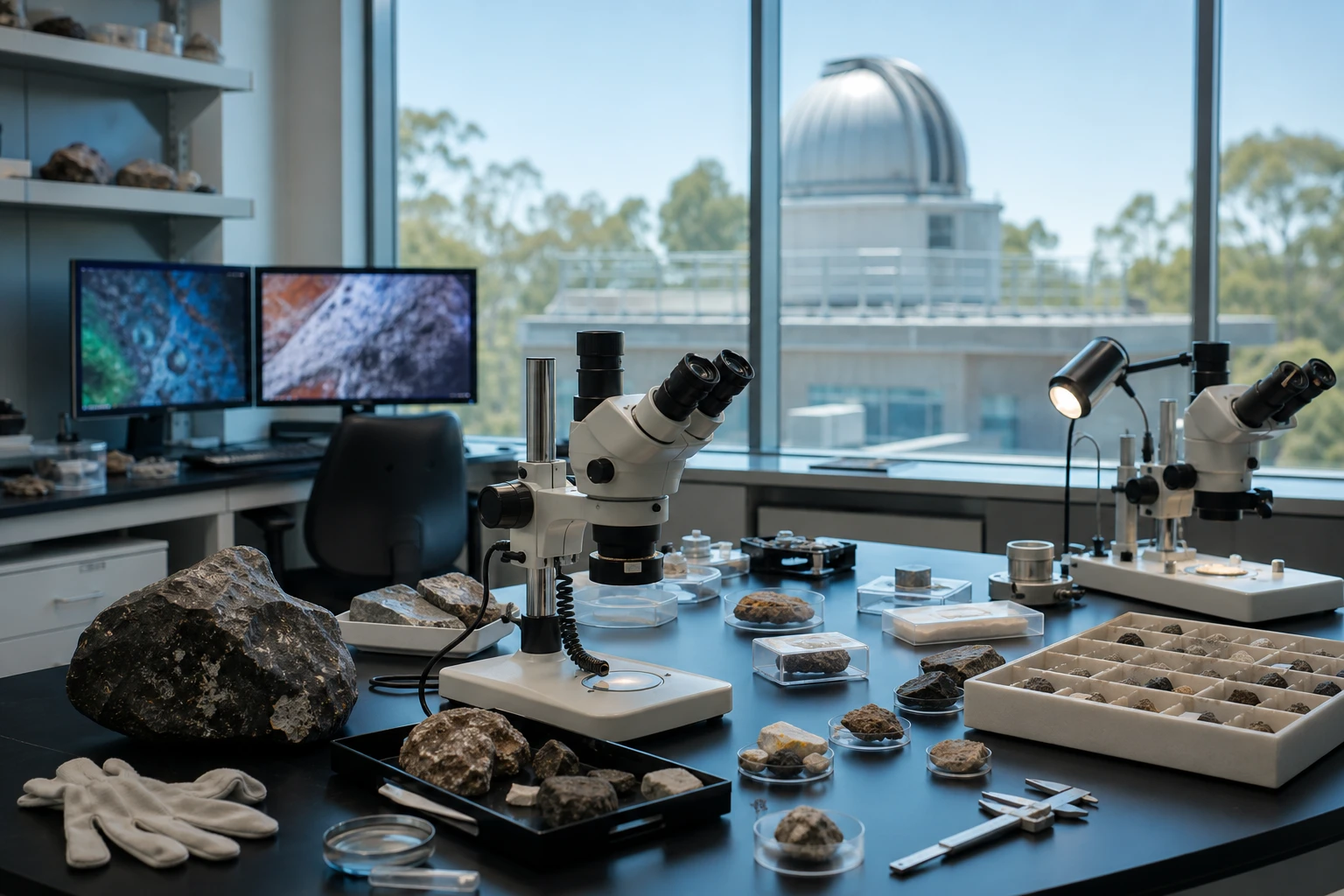
BSc · MSc · PhD
Planetary formation, geology, atmospheres, climate, remote sensing, and space environments.
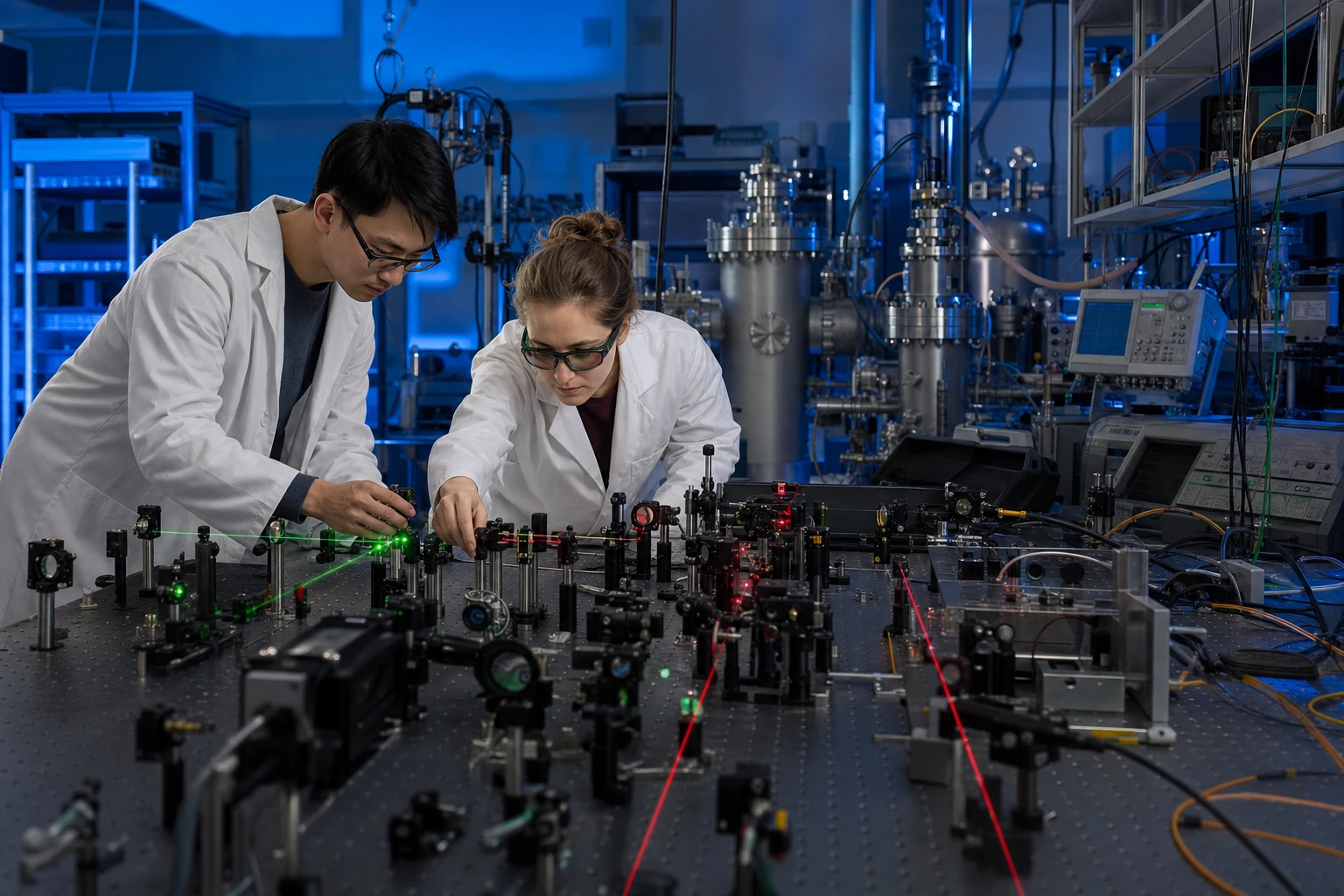
BSc · MSc · PhD
Quantum mechanics, information, optics, materials, and computing.
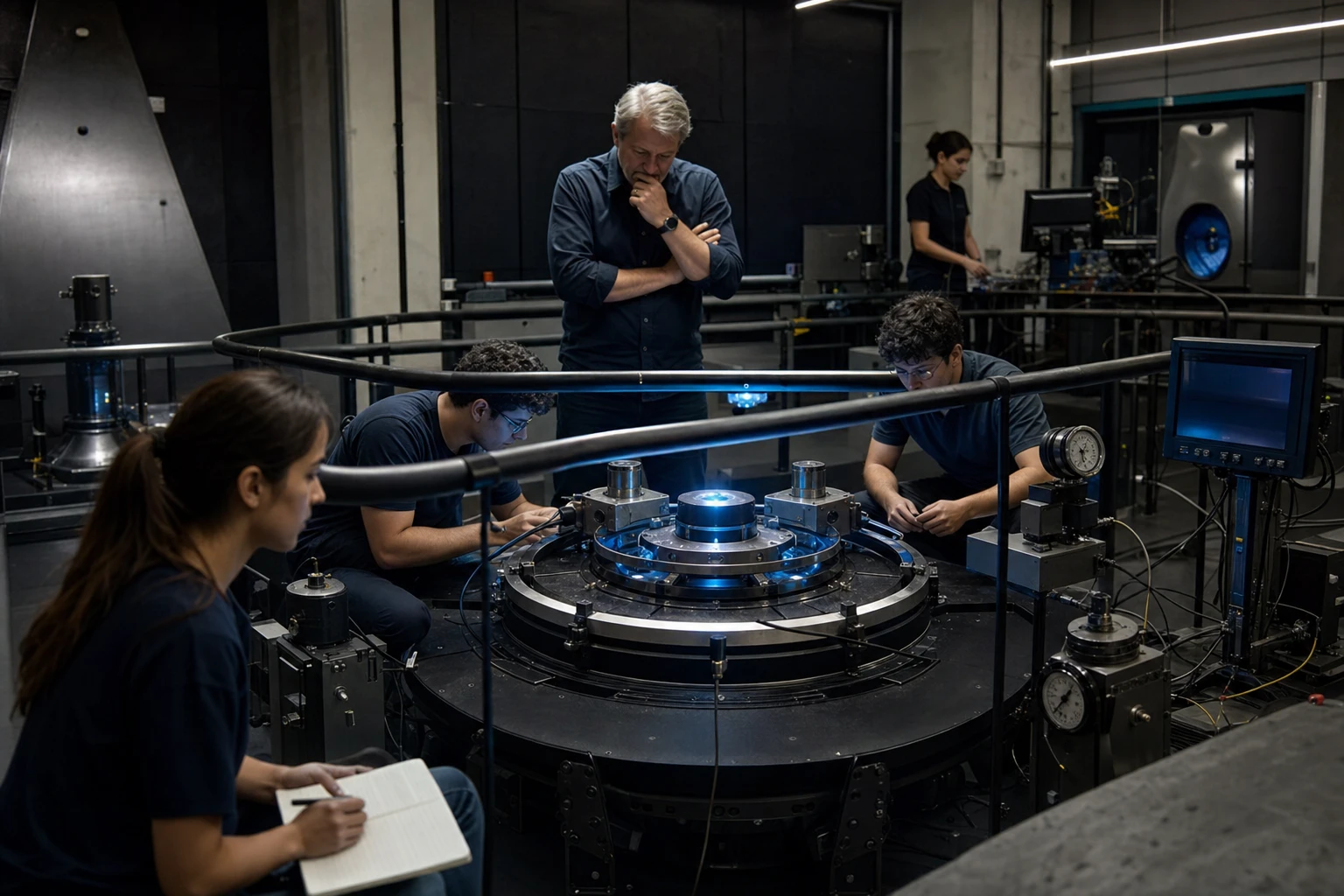
Open foundation · MSc · PhD (tiered access)
Tiered accessSpacetime continuity, transport, temporal control, field stability, engineering, and civic continuity.
No matching program. Try another keyword.
CX / INTERDISCIPLINARY
Shared work across physics, engineering, computing, policy, and ethics provides the foundation for theory and tiered practice in chronospatial science.
From relativity and curved spacetime to Siegfried, the Chronosphere, the Time Freeze System, and Schmidt’s engineering breakthroughs.
Relativity, quantum mechanics, gravity, spacetime curvature, mass–energy, local frames, and causal structure.
Object trajectories, continuity fields, anchors, and synchronization between reference frames.
Spatial overlap, temporal echoes, local rate differences, and the constraints of causality.
Chronosphere implementation, experimental procedure, life support, and failure modes.
Local temporal rate, boundary layers, observer effects, and recovery; stasis does not stop the universe.
Kronos field-particle generation and Atlas structural scanning, mass mapping, and paired-anchor relocation.
Stable field-energy transfer and materials with thermal, electrical, elastic, or specialized field response.
Simulation, experimental design, anomaly logs, calibration, data review, incident reconstruction, and replication.
Engineering, medicine, spaceflight, rescue, and logistics alongside property, safety, monopoly, and causal responsibility.
Students use simulators and low-energy teaching devices; high-energy equipment is restricted to cleared graduate researchers.
A theoretical model, risk assessment, prototype or simulation, ethics review, and public defense.
Graduate capabilities
Master the theories, methods, and tools of the discipline.
Decompose complex problems into researchable, designable, and testable tasks.
Communicate across disciplines and collaborate in multicultural teams.
Understand the foundations of data, AI, cybersecurity, and software systems.
Assess ethical, legal, safety, and social implications.
Demonstrate research, engineering, project-management, and communication skills.
Use scenarios and long-term reasoning under uncertainty.
Uphold academic integrity, public responsibility, and lifelong learning.
When cleared for chronospatial work, identify continuity risks and contribute to city-scale incident response.
Graduates work across technology companies, research institutes, public institutions, education, start-ups, and international projects in software, data science, AI, cybersecurity, electronic engineering, research management, technology policy, innovation consulting, strategic foresight, space science, quantum technology, and—where cleared—chronospatial engineering, continuity monitoring, and special-facility safety.